
Search engine optimization has evolved dramatically over the past few years. What once relied heavily on manual research and guesswork now benefits from sophisticated artificial intelligence that can analyze massive datasets, predict trends, and automate repetitive tasks.
AI tools for SEO have become essential for SEO professionals who want to stay competitive. They help you work smarter, not harder, by providing deeper insights into user behavior, competitor strategies, and content performance.
This guide explores the most powerful AI tools for SEO that can transform your SEO workflow and deliver measurable results. Let’s explore some AI tools for SEO professionals.
The online search moves at lightning speed. Google processes over 8.5 billion searches daily, and its algorithm considers hundreds of ranking factors. Traditional SEO methods simply can’t keep pace with this complexity.
AI changes the game by processing huge amounts of data instantly. It identifies patterns humans might miss, predicts algorithm changes, and optimizes content at scale. Companies using AI-powered SEO tools report 20-30% improvements in organic traffic within six months.
Analyzing 10,000 keywords manually might take weeks. An AI tool can do the same analysis in minutes, providing deeper insights about search intent, competition levels, and ranking opportunities. This efficiency lets you focus on strategy.
This table highlights the best AI tools every SEO professional needs in 2026. Discover their unique use cases and key benefits to optimize your SEO efforts and stay ahead of the competition.
| Tool Name | Use Case | Benefits |
|---|---|---|
| Semrush Keyword Magic Tool | Keyword research and analysis | Predicts keyword difficulty, identifies long-tail opportunities, and helps avoid competition |
| Ahrefs Keywords Explorer | Keyword research with competitor insights | Provides accurate keyword difficulty and identifies content gaps |
| AnswerThePublic | Discovering user questions for content ideas | Explore real-world search intent, enhancing content creation |
| Clearscope | Optimizing content for better rankings | Improves content relevance, readability, and keyword optimization |
| MarketMuse | Creating comprehensive content briefs and gap analysis | Fills content gaps and predicts ranking potential |
| Jasper AI | Generating SEO-optimized content | Generates SEO-friendly content at scale while maintaining brand consistency |
| Bit Social | Automating social media sharing | Maximize traffic, increases social signals, and improves SEO rankings |
| SE Ranking | Competitor analysis and keyword tracking | Gives competitor insights to refine SEO strategy and uncover long-tail opportunities |
| SpyFu | Analyzing competitor PPC and organic strategies | Offers insights into competitors’ successful keywords and content gaps |
| BrightEdge | Tracking competitor content performance and industry trends | Reveals content optimization strategies and predicts growth opportunities |
| Bit Flows | Automating SEO workflows with AI | Optimized SEO tasks, integrates AI tools, and increases content optimization |
| Google Analytics Intelligence | Tracking traffic trends and user behavior patterns | Identifies traffic changes and provides optimization recommendations |
| Alli AI | Automating technical SEO tasks | Automates SEO improvements across technical elements like schema markup |
| CanIRank | Providing personalized SEO recommendations based on site authority | Offers personalized advice on which SEO actions will be most effective |
Now get ready to explore their specific features, use cases, and the unique benefits they offer to optimize your workflow.
Keyword research is the foundation of every successful SEO strategy. AI tools help you quickly discover high-impact keywords, analyze search intent, and assess competition. This saves time and ensures your content targets the right audience effectively.

Semrush’s AI-powered keyword research goes beyond basic search volume data. The tool analyzes search intent, identifies long-tail opportunities, and clusters related keywords automatically.
The AI component shines in its ability to predict keyword difficulty accurately. It considers over 40 factors, including domain authority, content quality, and user engagement metrics. This helps you prioritize keywords with the best ROI potential.
You can use Semrush’s AI clustering feature to reorganize your content strategy. By grouping related keywords, they reduced content cannibalization and improved rankings for 85% of target terms within four months.

Ahrefs enables machine learning to provide keyword difficulty scores that reflect real-world ranking challenges. The AI analyzes top-ranking pages and identifies the specific factors that make them successful.
The tool’s “Parent Topic” feature uses AI to identify when multiple keywords can be targeted with a single piece of content. This prevents keyword cannibalization and maximizes content efficiency.
Benefits include more accurate traffic predictions, a better understanding of search intent, and identification of featured snippet opportunities that traditional tools might miss.

This AI-powered tool transforms seed keywords into comprehensive question maps. It uses natural language processing to understand how people actually search for information.
The AI identifies question patterns, prepositions, and comparisons that reveal user intent. This insight is invaluable for creating content that matches exactly what people are looking for.
People used AnswerThePublic to discover that users were searching for “how to” questions about their product category. They created a series of tutorial posts that captured 40% more organic traffic than their product-focused content.
Content optimization is important for ranking high on search engines. AI tools in this category help refine your content, making it more comprehensive, readable, and relevant to search engines. This increases your chances of ranking on the first page.

Clearscope uses AI to analyze top-ranking content and identify the topics, keywords, and semantic relationships that drive rankings. The tool provides real-time content optimization suggestions as you write.
The AI evaluates content comprehensiveness, readability, and relevance. It suggests related terms that improve topical authority and help search engines understand your content better.
The content marketing team used Clearscope to optimize existing blog posts. They saw an average 34% increase in organic traffic for updated articles, with some posts jumping from page three to the top five results.

MarketMuse’s AI creates comprehensive content briefs by analyzing thousands of competing pages. It identifies content gaps, suggests optimal article length, and recommends topics to cover for maximum authority.
The platform’s Content Score feature uses machine learning to predict how well your content will rank. It considers semantic relationships, topic depth, and competitive landscape.
E-commerce site used MarketMuse to identify content gaps in product categories. By creating comprehensive buying guides based on AI recommendations, you can increase category page rankings by an average of 12 positions.
Jasper excels at creating SEO-optimized content at scale. Its AI understands search intent and can generate meta descriptions, title tags, and body content that align with ranking factors.
The tool’s SERP analysis feature examines top-ranking pages and suggests content angles that could outperform competitors. It also maintains brand voice consistency across all generated content.
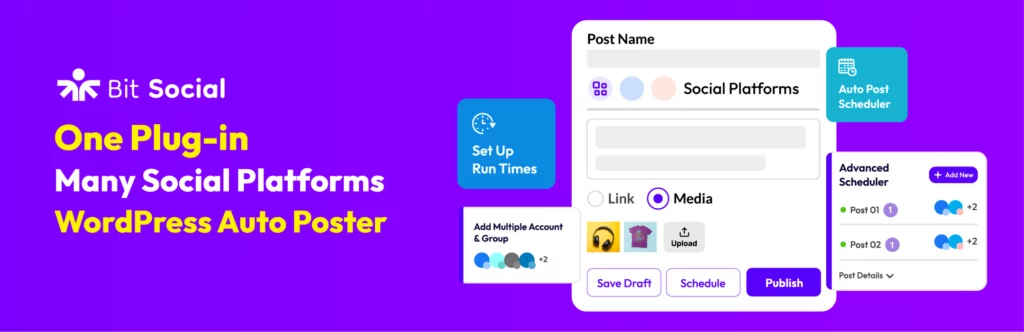
Bit Social is a powerful tool that connects your WordPress site with social media to boost SEO. It automatically shares your blog posts across platforms like Facebook, Twitter, LinkedIn, and Instagram. This brings more visitors to your website, which signals to search engines that your content is valuable.
Social sharing also builds authority. Likes, shares, and comments increase your content’s credibility, while regular engagement can lead to backlinks from other websites. Over time, this improves your domain authority and search rankings.
With Bit Social, you don’t just publish content, you make sure it reaches the right audience and drives real SEO results.
Staying ahead of competitors is key to SEO success. AI-driven competitor analysis tools give you deep insights into your competitors’ strategies, so you can identify gaps, target the right keywords, and optimize your SEO efforts more effectively.

SE Ranking’s AI competitor analysis goes beyond basic keyword tracking. It identifies your competitors’ content strategies, technical SEO strengths, and backlink opportunities.
The AI can predict which competitor strategies are likely to succeed based on historical performance data. This helps you prioritize defensive and offensive SEO actions.
You can discover through SE Ranking that competitors were gaining ground with specific long-tail keywords. You can quickly create targeted content and recover their market share within two months.

SpyFu’s machine learning algorithms analyze competitor PPC and organic strategies simultaneously. This provides insights into which keywords competitors find most valuable.
The AI identifies competitor content gaps and suggests topics where you can establish topical authority. It also tracks competitor ranking changes and alerts you to new opportunities.

BrightEdge uses AI to monitor competitor content performance and identify trending topics in your industry. The platform’s DataMind feature can predict which content formats and topics will drive the most organic growth.
The AI analyzes millions of data points to recommend content optimization strategies that competitors haven’t discovered yet. This gives you a significant first-mover advantage.
From generating content to publishing posts and updating meta tags, SEO automation tools save time and reduce errors. The following tools connect with multiple platforms, handle repetitive tasks in the background, and make sure your SEO strategies are executed quickly and consistently.
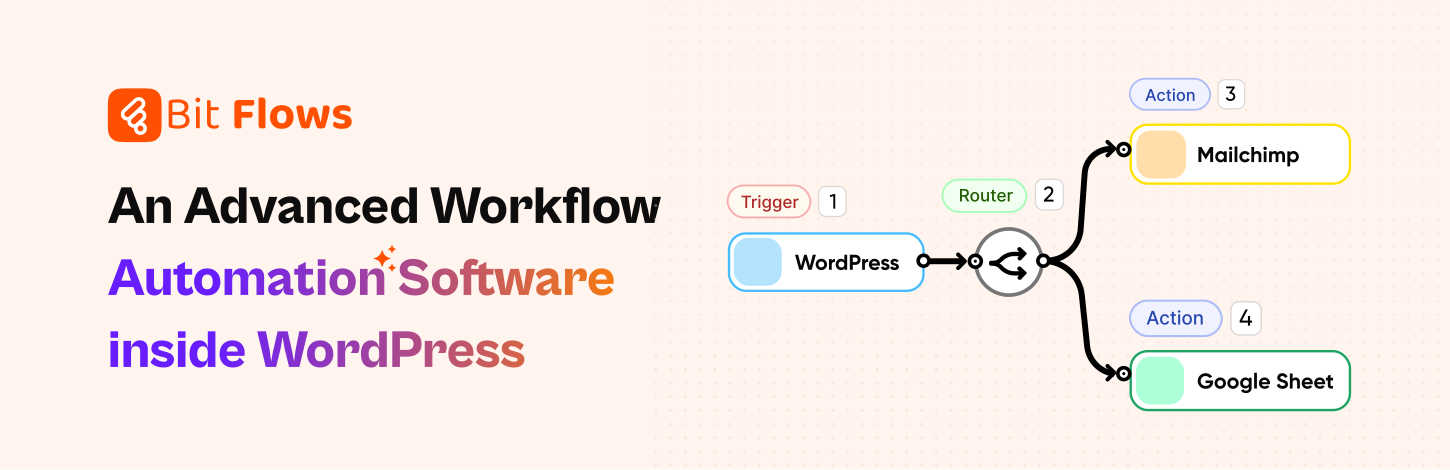
Bit Flows is more than just an automation tool. It’s like a smart assistant that connects your SEO tools, content platforms, and AI models, allowing them to work together smoothly. Instead of spending hours on repetitive tasks, you can set up workflows once and let Bit Flows handle them automatically.
For SEO professionals, this means faster content creation and smoother optimization. For example, you can use Bit Flows with OpenAI, Gemini, or Claude to generate blog outlines, meta descriptions, and keyword-rich content. It also connects with WordPress, Shopify, and over 190+ other platforms, so your optimized content can be published automatically without extra steps.
Another big advantage is that Bit Flows runs unlimited workflows. You don’t have to worry about task limits or high costs, which makes it a great option for agencies or anyone managing multiple websites.
With Bit Flows, SEO doesn’t stop at analysis. It makes sure your strategies are actually put into action quickly, consistently, and at scale.
Understanding how your SEO strategies are performing is vital. AI-powered analytics tools automatically track key metrics like traffic, user behavior, and conversion rates, helping you make data-driven decisions and optimize your SEO performance continuously.

Google’s AI-powered insights automatically identify significant traffic changes, conversion anomalies, and user behavior patterns. The system alerts you to opportunities and problems you might miss in manual analysis.
The AI can predict traffic trends and suggest optimization strategies based on historical performance. It also identifies which content types drive the most valuable conversions.
Advanced AI platforms streamline complex SEO tasks like technical SEO, on-page optimization, and content creation. These tools automate repetitive tasks and allow you to scale your SEO efforts without compromising quality, improving both efficiency and results.

Alli AI specializes in technical SEO automation. The platform can implement schema markup, optimize page speed, and fix crawl errors across thousands of pages simultaneously.
The AI continuously monitors technical SEO health and makes automatic improvements. This ensures your site maintains optimal performance without manual intervention.

CanIRank uses machine learning to provide personalized SEO recommendations based on your specific site authority and competitive landscape. The AI considers your unique situation rather than generic best practices.
The platform’s probability scores help you prioritize optimization efforts based on the likelihood of success. This maximizes ROI by focusing on winnable opportunities first.
Start by identifying your biggest SEO challenges. If keyword research takes too long, prioritize AI keyword tools. If content optimization is inconsistent, focus on AI writing assistants.
Integrate AI tools gradually. Begin with one or two platforms and master their features before expanding. This prevents tool overload and ensures you extract maximum value.
Train your team on AI tool interpretation. While these platforms provide powerful insights, human judgment remains crucial for strategy decisions and quality control.
Set up automated reporting to track AI tool ROI. Monitor how recommendations translate into ranking improvements and organic traffic growth.
Track specific metrics that demonstrate AI tool value. These include keyword ranking improvements, content production efficiency, and technical SEO issue resolution speed.
Compare performance before and after AI implementation. Document time savings, ranking improvements, and traffic growth to justify tool investments.
A digital agency tracked its AI implementation results over six months. They found 45% faster keyword research, 30% improvement in content ranking success, and 25% reduction in technical SEO issues.
AI technology continues to advance rapidly. Natural language processing improvements will make content optimization more sophisticated. Predictive analytics will become more accurate at forecasting algorithm changes.
Voice search optimization will rely heavily on AI to understand conversational queries. Visual search capabilities will require AI-powered image and video optimization.
Stay informed about AI developments in your industry. Tools that seem promising today will become standard practice within two years.
The SEO professionals who embrace AI tools today will dominate tomorrow’s search results. These platforms offer deep insights, efficiency gains, and competitive advantages that manual methods simply can’t match.
Don’t wait for competitors to gain the upper hand. Start with one AI tool that addresses your biggest challenge, then expand your toolkit as you see results. The combination of human strategy and artificial intelligence creates an unstoppable SEO approach.
Begin your AI-powered SEO transformation today. Choose the tools that best fit your needs, implement them systematically, and watch your organic performance reach new heights. Your future self will thank you for making the move to intelligent SEO optimization.
An AI SEO tool uses artificial intelligence and machine learning to automate tasks, analyze large datasets, and provide insights that improve a website’s search engine performance.
AI tools analyze search intent, predict keyword difficulty, and cluster related keywords to help you find and prioritize the best opportunities more efficiently than manual research.
No, AI tools are powerful assistants that handle repetitive tasks and provide data-driven insights, but human strategy, creativity, and critical thinking remain essential for a successful SEO campaign.
Tools like MarketMuse, Clearscope, and Jasper AI are highly recommended for optimizing content, generating outlines, and creating high-quality, SEO-friendly articles at scale.




 EN
EN  DE
DE  ES
ES  NL
NL  IT
IT  PT
PT  JA
JA